U.S. Imposes 3.5% Tax on Foreign Remittances, Sparking Global Concern
-
 Staff Reporter GAROWE ONLINE
- Posted On 15-07-2025, 05:34PM

WASHINGTON — The United States has officially enacted a new 3.5% tax on money transfers sent abroad by non-citizens, a move expected to significantly affect millions of families worldwide who rely on remittances to cover basic needs like food, water, education, and healthcare.
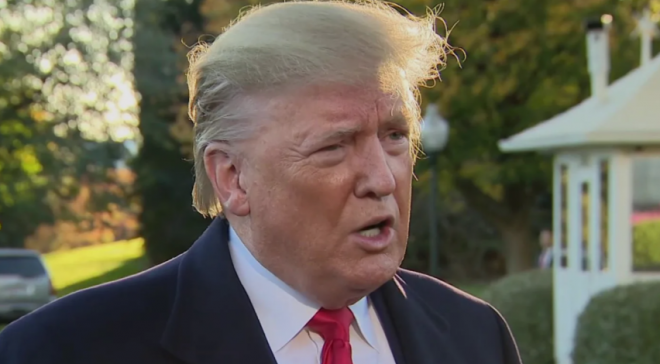
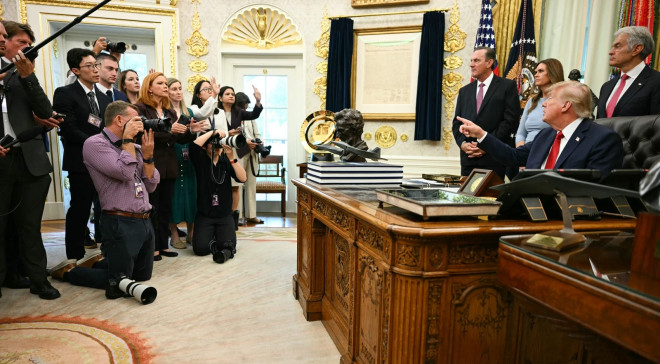
The measure, part of a broader economic policy named the “One, Big, Beautiful Bill” signed this month by former President Donald Trump, aims to increase domestic revenue. However, critics say it disproportionately targets immigrant communities living in the U.S.
According to the Center for Global Development (CGD), the new tax could lead to a 5.6% drop in remittances to developing countries — potentially costing nations such as Somalia, India, Mexico, and Tonga billions of dollars annually.
In 2023, the Somali diaspora sent home $1.73 billion — more than the country received in all development and humanitarian aid combined. That financial lifeline is now under threat, especially after U.S. foreign aid was cut by over $60 billion, slashing 40% of Somalia’s previous U.S.-based assistance.
Humanitarian groups like Oxfam warn that the tax could directly impact hundreds of thousands of vulnerable households. During Somalia’s 2011 famine, remittances played a crucial role in saving lives, and advocates fear the current policy undermines such safety nets.
Countries like India, which received $119 billion in remittances last year, also stand to lose substantial revenue. With the U.N. aiming to reduce remittance costs to under 3% by 2030, analysts say the U.S. decision moves in the opposite direction, threatening to deepen poverty in fragile economies.
GAROWE ONLINE