Horn of Africa Leaders Warn of Economic Impact From Middle East Conflict
-
 Staff Reporter GAROWE ONLINE
- Posted On 12-03-2026, 11:08AM
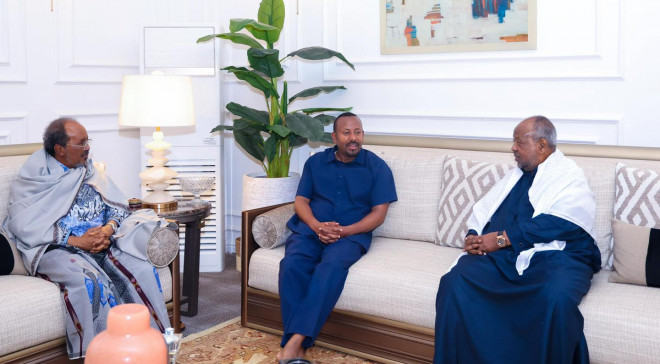
DJIBOUTI, March 12 — Leaders of Somalia, Ethiopia and Djibouti warned that the ongoing conflict in the Middle East could have economic repercussions for the Horn of Africa, after holding trilateral talks in Djibouti on Wednesday.
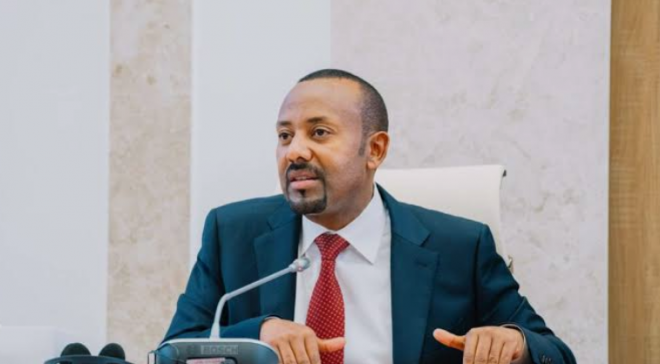
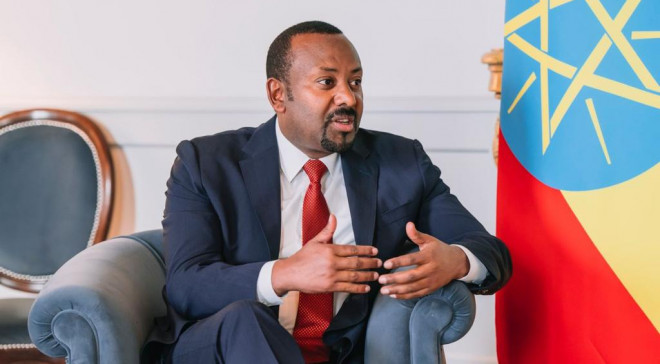
Djibouti’s President Ismaïl Omar Guelleh hosted Somalia’s President Hassan Sheikh Mohamud and Ethiopia’s Prime Minister Abiy Ahmed for discussions focused on regional security and the potential spillover effects of the conflict on their economies and stability.
The leaders also discussed security cooperation, counterterrorism efforts, Somalia’s democratic development and ways to boost investment, trade and infrastructure links across the Horn of Africa, Somalia’s Information Minister Daud Aweis said in a statement.
A statement from Djibouti said the meeting addressed “regional peace and security, the progress of economic integration, the resolution of shared interests of the three countries and the overall situation in the subregion.”
Abiy and Hassan Sheikh arrived in Djibouti earlier on Wednesday with senior delegations for the talks.
The meeting comes as fighting continues in the Middle East following strikes by the United States and Israel on Iran that began on Feb. 28, a conflict that has driven up global oil prices and raised concerns over economic disruptions.
Somalia and Djibouti have condemned Iranian attacks targeting Gulf countries.
Djibouti and Ethiopia also contribute troops to the African Union mission supporting Somalia’s fight against the Islamist militant group Al-Shabaab.
GAROWE ONLINE