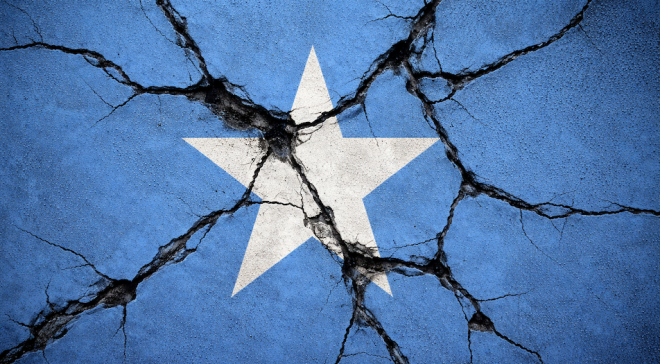
EDITORIAL: The Battle for Mogadishu and the End of the One-Sided Election Dream
-
 GAROWE ONLINE
- Posted On 04-06-2026, 06:52AM
The fighting that erupted in Mogadishu has exposed a political reality that many Somali leaders had long warned about: no meaningful electoral process can be imposed on Somalia without broad political consensus.
For months, federal member states, opposition figures, and influential political actors cautioned against attempts to move forward with an electoral model that lacked nationwide agreement. Their argument was simple. Somalia’s fragile political order still depends more on negotiation and consensus than on the authority of state institutions alone.
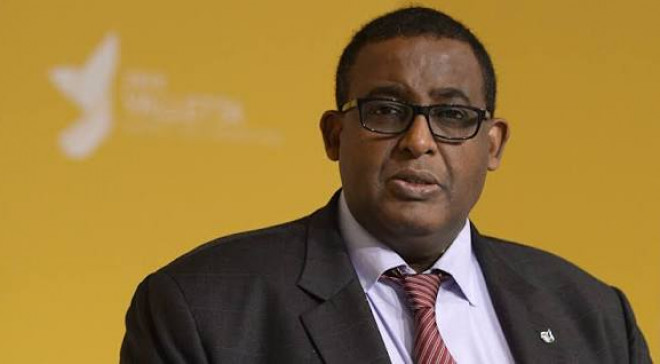
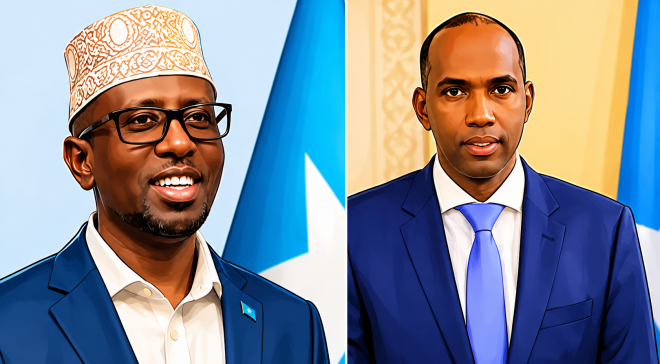
The clashes surrounding former Prime Minister Hassan Ali Khaire’s residence demonstrated the limits of coercive politics. Military force may secure territory, but it rarely settles political disputes in a country where power remains dispersed among multiple actors, communities, and political networks.
The same reality applies to former President Sheikh Sharif Sheikh Ahmed and other opposition leaders. They continue to command political influence and social support that cannot simply be wished away. The constituencies associated with these figures remain important components of Mogadishu’s political landscape and, by extension, Somalia’s national balance of power.
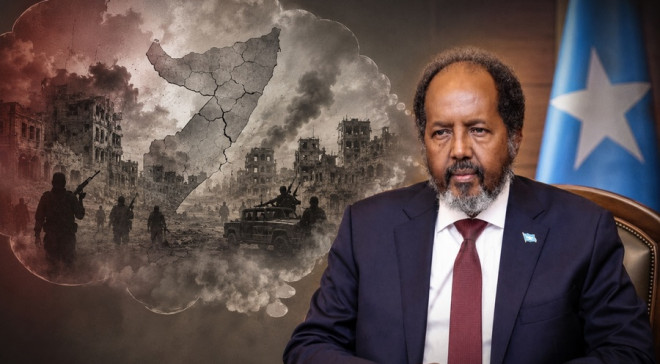
That is why the events of the past 24 hours are being viewed as a turning point in Somalia’s political debate. What happened in Mogadishu appears to have dealt a serious blow to President Hassan Sheikh Mohamud’s ambition of advancing an electoral process that lacked the full support of key political stakeholders. The confrontation reinforced a long-standing reality: political legitimacy in Somalia cannot be built through unilateral decisions or the use of force. It must emerge from consultation, compromise, and broad agreement among the country’s political actors.
The greater danger lies ahead. Somalia’s institutions remain fragile. Once political disputes become militarized, there is always a risk that conflicts evolve beyond their original political objectives. History offers painful reminders of how quickly localized confrontations can spiral into wider instability.
If the objective was to force the opposition into accepting a political process on terms set by one side, the outcome appears to have produced the opposite effect. The fighting underscored the continued relevance of political actors outside Villa Somalia and demonstrated that Somalia’s political future cannot be determined by any single center of power.
The lesson from Mogadishu is therefore clear. The path forward is not escalation. It is dialogue. It is a return to negotiations on an agreed electoral roadmap and a consensual electoral framework capable of restoring trust among Somalia’s political stakeholders.
Yesterday’s battle may ultimately be remembered not for its military significance, but for the political reality it revealed: Somalia remains a nation that can only move forward through compromise, not confrontation.
GAROWE ONLINE