International Partners Weigh Sanctions and Policy Shifts as Somalia’s Political Crisis Deepens
-
 Staff Reporter GAROWE ONLINE
- Posted On 07-05-2026, 11:01AM
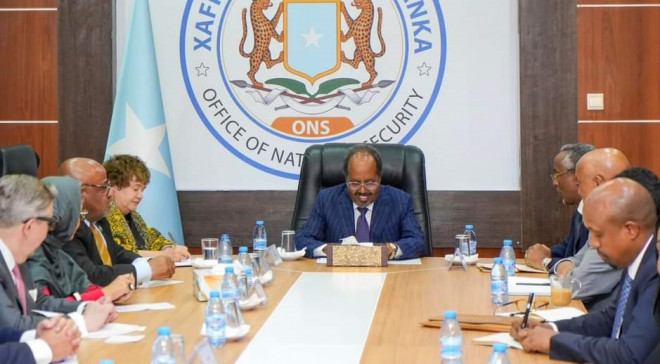
MOGADISHU, Somalia — International partners met at a high-security Western embassy within the Halane compound on Thursday to discuss the deepening political crisis in Somalia, amid growing concerns over the federal government’s legitimacy.
Diplomatic sources said that the discussions focused heavily on how the international community should engage with the Somali government after May 15. A key point of contention was the potential invocation of the World Bank’s Operational Policy 7.30 (OP 7.30). The policy is a regulatory framework typically applied to nations where the government’s de facto or de jure status is in doubt, or where constitutional processes have been suspended.
During the meeting, representatives voiced sharp criticism of the current administration's trajectory. International partners highlighted escalating land disputes and the ongoing constitutional review process, which they argued lacks the necessary broad-based political consensus to be legally binding.
The partners also reviewed the integrity of recent electoral processes, specifically citing the events in Baidoa as a negative precedent for transparency. The group collectively condemned the lack of inclusivity in these political shifts.
As the talks concluded, there was a consensus among the international partners that the federal government is not demonstrating a genuine commitment to meaningful dialogue. The partners agreed on the necessity of increasing unified international pressure.
Sources indicated that the era of "quiet diplomacy" may be ending, with representatives calling for a shift toward more public and candid accountability regarding the government's actions.
GAROWE ONLINE