Puntland Executes Woman Convicted of Torture-Murder of 14-Year-Old Domestic Worker
-
 Staff Reporter GAROWE ONLINE
- Posted On 03-02-2026, 07:42AM
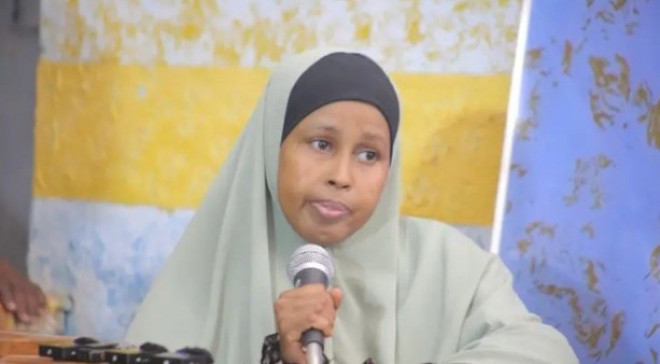
GALKAYO, Somalia - On Tuesday morning, authorities in Somalia’s Puntland state executed Hodan Mohamud, who was found guilty of the prolonged torture and murder of 14-year-old Sabirin Saylaan Abdille, a domestic worker in her household. The sentence was carried out by firing squad under Islamic law, following a request by the victim’s family for Qisas—retributive justice.
The story of 14-year-old Sabirin Saylaan Abdille is one that resonates with tragic familiarity across the region. A minor from a humble background, Sabirin was sent to work as a domestic helper—a role intended to provide for her family, but which instead became a prison of "prolonged and severe abuse."
Sabirin’s death had shocked the Mudug region. According to prosecutors, the teenager endured sustained physical abuse that ultimately led to her death, a conclusion supported by graphic digital evidence recovered from Mohamud’s mobile phone. Security officials said video clips showed “extreme and repeated violence” against the girl, footage that judges ruled was directly linked to her killing.
The family of the victim declined to accept Diyo, or blood compensation, opting instead for retaliation as permitted under Islamic jurisprudence. The court upheld their request, and Puntland authorities moved swiftly to enforce the ruling.
“This case was prosecuted with clear evidence and in accordance with Islamic law,” a regional judicial official said, speaking on condition of anonymity. “The family demanded justice, and the court honored that right.”
The execution is a rare and significant moment in Puntland’s legal history. Provincial officials said it is the first time in decades that a woman has been executed under a retaliatory murder sentence in the region. The last known execution of a woman in Puntland dates back to 2013, when a female member of the al-Shabab militant group was among 13 people put to death for the assassination of a prominent religious scholar.
Authorities said the sentence was carried out under a standing decree in Mudug region, which mandates strict enforcement of Islamic law in murder cases as part of efforts to curb violent crime in Galkayo, a city split administratively between Puntland and neighboring Galmudug state.
Yet while officials framed the execution as justice served, Sabirin’s death has ignited a broader national debate about the treatment of domestic workers—especially children—in Somali households.
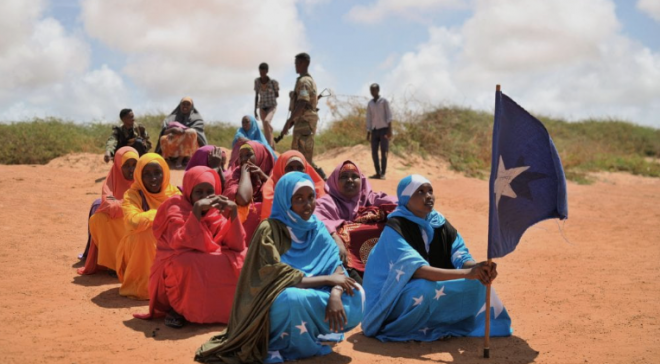
Following news of the killing, protests erupted across Puntland, with activists, elders, and child rights groups condemning the widespread exploitation of minors employed as domestic help. Many argued that Sabirin’s case was not an isolated incident, but a brutal example of a largely hidden abuse affecting vulnerable children from poor families.
“Execution does not erase the system that allowed this child to suffer in silence,” said a local child welfare advocate in Garowe. “We need laws, enforcement, and social change to protect children long before such crimes occur.”
Puntland authorities said the execution was intended not only to deliver justice to Sabirin’s family, but also to send a strong deterrent message.
“This is a warning,” one official said. “Anyone who abuses or exploits the weak will face the full force of the law.”
GAROWE ONLINE