Somalia: Hirshabelle Election Dispute Deepens as VP Rejects Vote in Hiiraan
-
 Staff Reporter GAROWE ONLINE
- Posted On 13-09-2026, 06:08AM
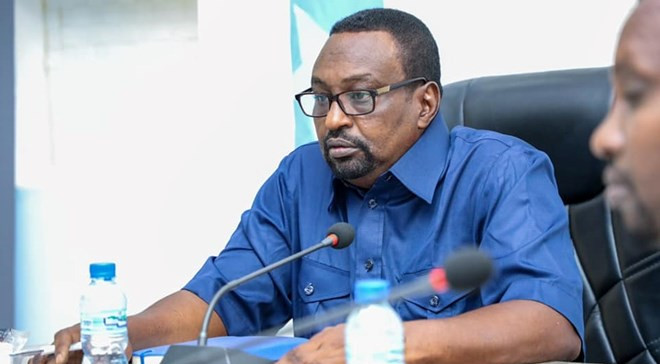
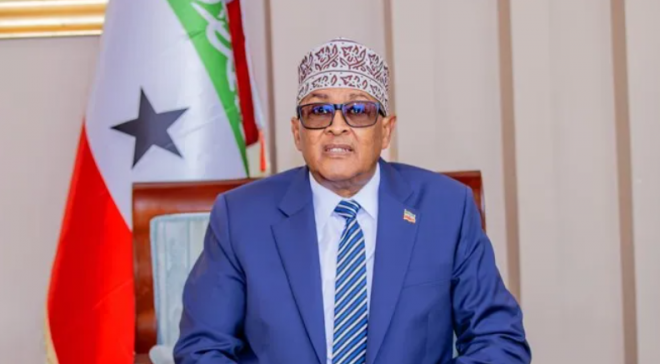
BELEDWEYNE, Somalia — Hirshabelle Vice President Yusuf Hagar Dabageed has warned that elections cannot be held in Hiiraan region without a political agreement and broad consensus, saying anyone attempting to organise a vote without such an agreement would bear responsibility for any consequences.
Dabageed said Hirshabelle’s electoral process requires broad consultations involving political stakeholders and local communities.
He went further, saying that elections should not be held even in a single village in Hiiraan without prior political agreement.
“The electoral process in Hirshabelle cannot continue in the way it is currently being conducted,” Dabageed said, warning those who attempt to hold elections without reaching a political settlement.
His remarks come as tensions deepen over the electoral process in Hirshabelle, particularly over who should lead the administration following the upcoming elections.
Dabageed accused Somali President Hassan Sheikh Mohamud of reneging on an earlier understanding with the Hawadle clan concerning leadership of Hirshabelle.
According to Dabageed, the understanding was that the Hawadle would be given consideration for leadership of the state when the time came for a political transition.
The vice president did not provide further details of the alleged agreement, but said the issue had become central to political discussions surrounding the future of Hirshabelle.
He called on members of the Hawadle community to hold broad consultations over their political future, saying any decision should involve people living both inside Somalia and abroad.
The dispute adds to wider political tensions surrounding Somalia’s electoral arrangements, with disagreements among federal and regional leaders over the process, political representation and the timing of elections.
Hiiraan has previously been a focal point of political disputes within Hirshabelle, with local leaders and communities frequently demanding greater influence over the administration and electoral arrangements.
Dabageed’s warning could further complicate efforts to organise elections in the state if political actors fail to reach an agreement with stakeholders in Hiiraan.
The vice president did not announce any alternative electoral timetable, but stressed that political consultation and consensus were necessary before the process could move forward.
His comments also highlight the broader challenge facing Hirshabelle as federal authorities and regional political actors seek to agree on an electoral framework acceptable to competing communities and political groups.
The federal government has been pushing ahead with preparations for elections in several parts of Somalia, but political disagreements have continued to complicate the process.
For Hirshabelle, the dispute over Hiiraan is particularly sensitive because of longstanding tensions over power-sharing, political representation and the balance of influence among the state’s constituent communities.
Dabageed urged the Hawadle to approach the issue collectively and said consultations should include members of the community across Somalia and the diaspora.
The vice president’s remarks signal that the electoral dispute in Hirshabelle is likely to remain a major political issue unless the federal government, state authorities and local stakeholders reach a negotiated settlement.
GAROWE ONLINE