KHARTOUM - Whenever proposals emerge to secure peace and bring an end to the civil war in Sudan, the Port Sudan authorities, represented by the army, the radical Islamist movement and the Muslim Brotherhood organisation, remain steadfast in rejecting de-escalation efforts, insisting on the continuation of the war as the only option.
In recent days, Addis Ababa put forward an initiative to de-escalate and end the war in Sudan, seeking to alleviate the suffering of the Sudanese people, who are enduring what the United Nations has described as the world's worst humanitarian crisis. The rejection from the Port Sudan authorities, however, came swiftly.
Another Rejection
The Sudan News Agency (SUNA), affiliated with the Port Sudan authorities, reported that its government categorically rejected the Ethiopian proposal concerning the crisis in Sudan, deeming Ethiopia a non-neutral party in the war that has continued since mid-April 2023.
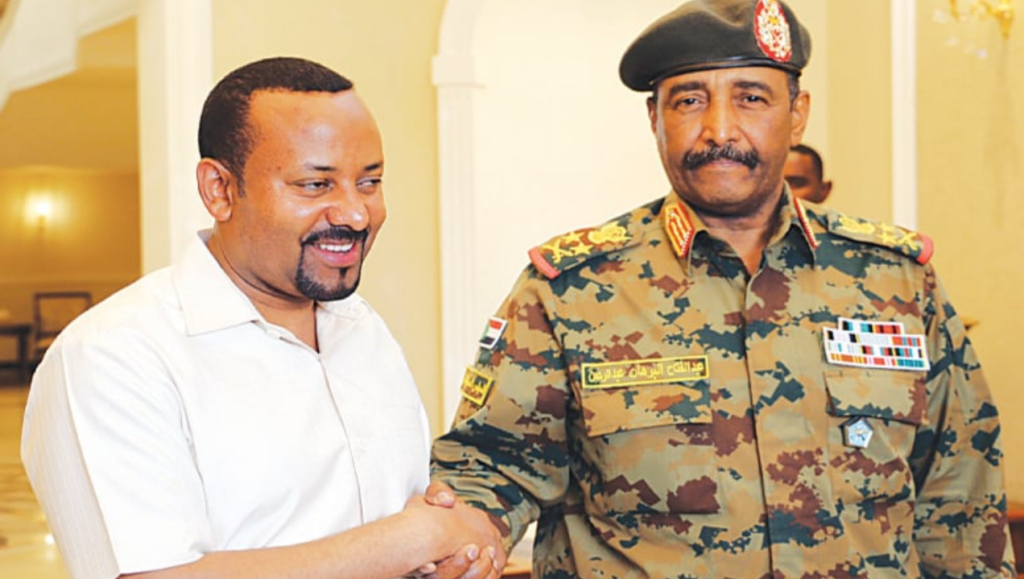
Army commander Abdel Fattah al-Burhan, head of the Sovereignty Council in Port Sudan, had already rejected numerous peace initiatives and proposals since the outbreak of the war. He has now added Ethiopia's initiative to the list of rejected proposals, reaffirming his commitment to continuing the war as the only option.
The Peace Initiative
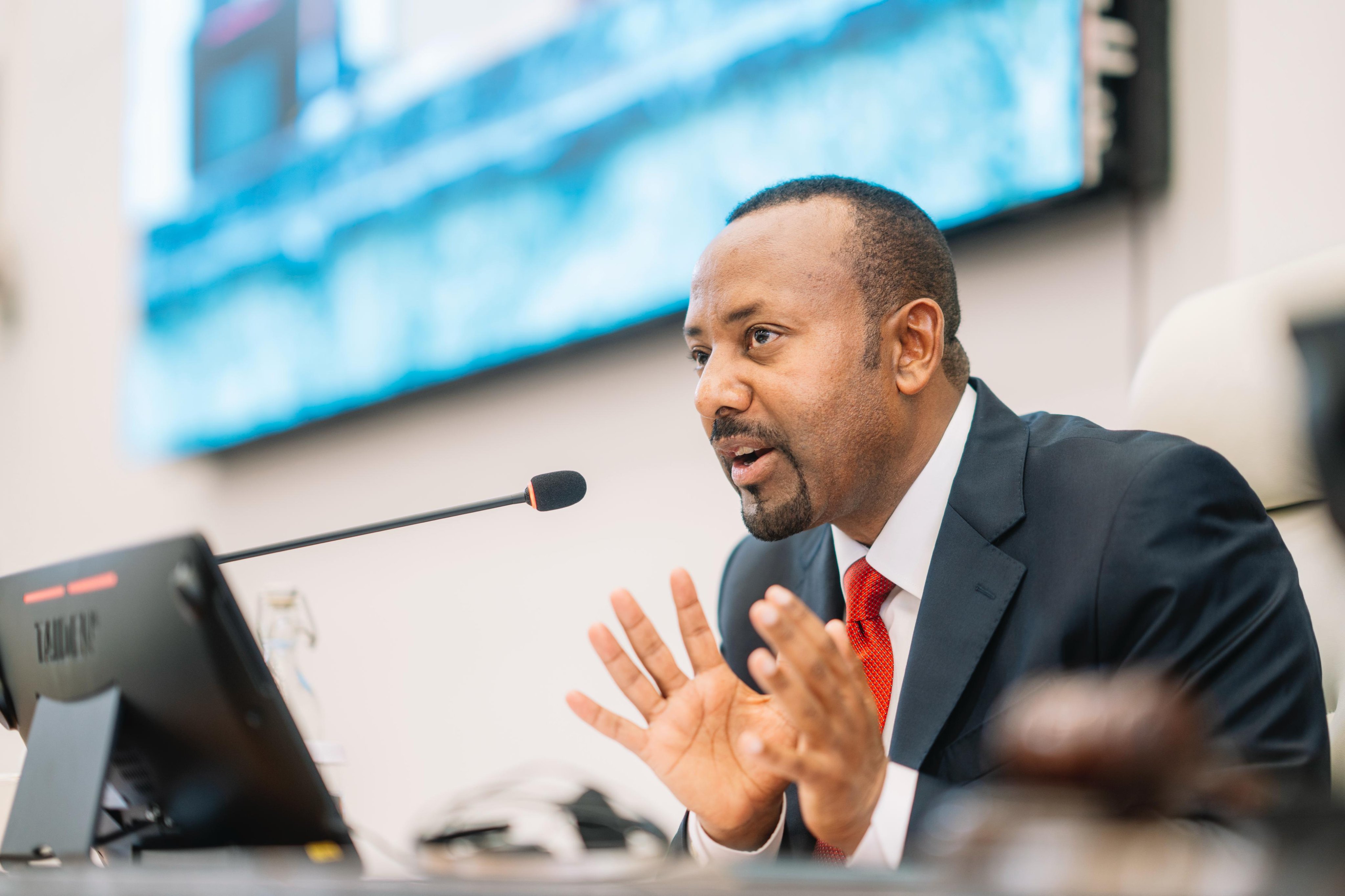
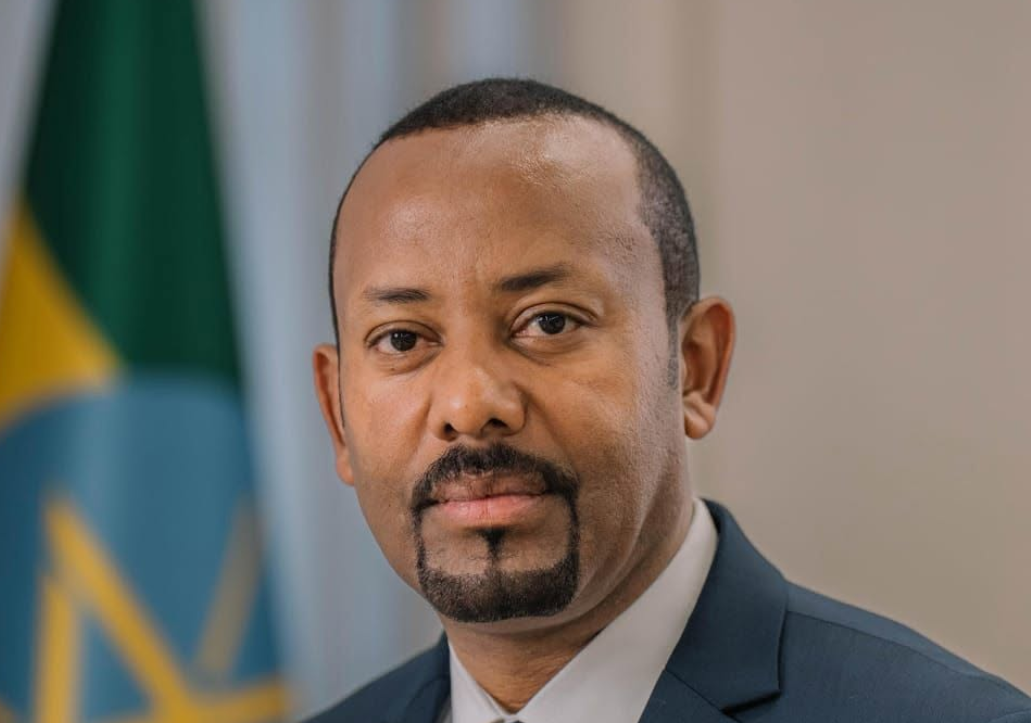
Ethiopian Prime Minister Abiy Ahmed put forward a diplomatic initiative to host and sponsor a comprehensive and open Sudanese dialogue in Addis Ababa, calling on all parties to the military and political conflict to participate.
The Addis Ababa initiative aims to halt the war, fighting and divisions, and to reach a national consensus that lays the foundations for comprehensive and sustainable peace. It also seeks to launch an inclusive national process and establish arrangements for the post-war phase through the formation of a broadly accepted national unity government tasked with restoring state institutions, safeguarding Sudan's sovereignty and territorial integrity, and rebuilding a country devastated by war.
In response to al-Burhan's accusations, even before they were formally voiced, the Ethiopian prime minister said he was prepared to maintain equal distance from all parties and to draw on his country's regional and international relations, as well as its available diplomatic capabilities, to create the conditions necessary for successful negotiations and dialogue and to end the suffering of the Sudanese people.
Tasis Welcomes the Initiative
In contrast to al-Burhan and the Port Sudan authorities, the government of the Sudan Founding Alliance, known as Tasis, welcomed the initiative in clear and positive terms, declaring its readiness to engage in dialogue in pursuit of a better future for the country.
Khalid Ahmed Danaa, spokesperson for Tasis's Ministry of Information, said: "We welcome the invitation announced by Abiy Ahmed and commend Ethiopia's solidarity, both government and people, with the Sudanese people, as well as its commitment to Sudan's unity, sovereignty and stability and its respect for the right of Sudanese people to determine their future through their own free will."
He added that the Tasis government "reaffirms its determination to pursue a path towards comprehensive, just and sustainable peace, and its readiness to engage positively with the invitation and discuss it in ways that contribute to creating the conditions for ending the war and addressing its root causes. It recognises the importance of the initiative in opening the way for Sudanese forces to participate in a dialogue addressing the historical roots of the crisis, the questions surrounding state-building and the formulation of a new national social contract."
The Tasis government stressed its full readiness to participate seriously in a process that would bring the war in Sudan to an end and build a state founded on "equal citizenship, justice and sustainable peace". The civilian Somoud coalition, led by Abdalla Hamdok, also welcomed the initiative and called for the convening of the dialogue.
Former Sudanese Prime Minister Abdalla Hamdok, commenting on the initiative in statements to Sudan Tribune, said: "I consider the initiative an expression of the deep historical ties between the Sudanese and Ethiopian peoples."
He praised Ethiopia's commitment to Sudan's unity, territorial integrity and stability, and welcomed the initiative's focus on ending the war through dialogue and national consensus. He also called for the coordination of regional and international efforts in support of an exclusively Sudanese peace process led by the Sudanese themselves, recalling Ethiopia's previous role in supporting Sudan's democratic transition following the December 2018 Revolution.
The Chairperson of the African Union Commission, Mahmoud Ali Youssouf, also voiced support for the Ethiopian initiative, describing it as important within broader efforts to encourage dialogue among the Sudanese parties.
He renewed the African Union's commitment to achieving a "peaceful and comprehensive solution to the Sudanese crisis through dialogue and negotiations", stressing that any political process must ensure that leadership and control remain entirely in Sudanese hands.