


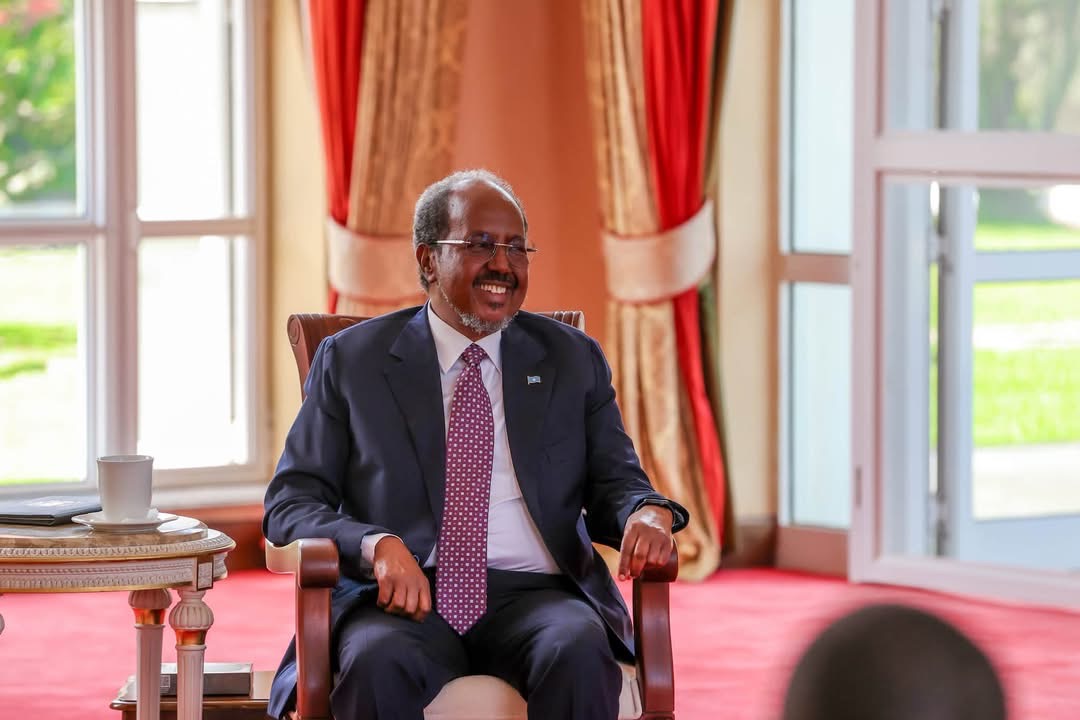
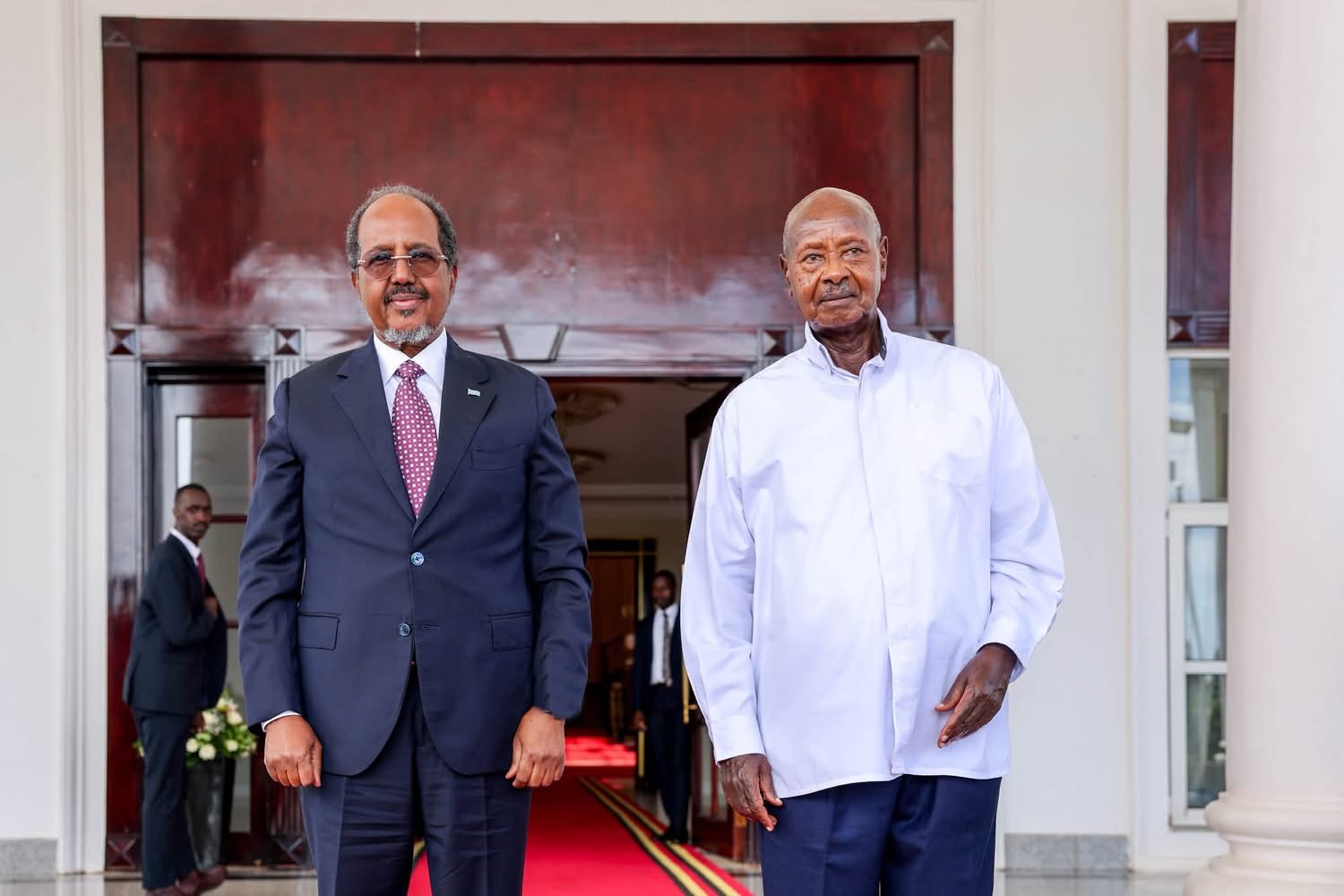


ENTEBBE — Uganda is turning its exit from Somalia into political leverage. As its troops begin to leave, Kampala is positioning itself as the broker between a president whose mandate is disputed and an opposition that refuses to negotiate on his terms.
The message to Washington
On 23 November, hours after hosting President Hassan Sheikh Mohamud, President Museveni met US Chargé d'Affaires Mikael Cleverley at State House Entebbe. He welcomed the US commitment to fund the UN Support Office in Somalia (UNSOS), which supplies African Union troops, through 2027 — exactly the period of Uganda's planned withdrawal.
But he attached a condition. Peace in Somalia, he said, "requires a clear strategy, genuine political reconciliation and effective mobilisation." The message to Washington is that money for the mission should come with pressure for a political settlement in Mogadishu.
A legitimacy gap
That settlement is further away than at any point since 2021. On 5 November, Somalia's Supreme Court ruled that parliament's mandate expired on 14 April and the president's term on 15 May, and ordered elections within 90 days — a deadline that falls in early February 2027.
The president rejects the ruling. He argues the amended constitution gives his government a five-year term ending in May 2027, and that political talks are a Somali matter. The main opposition alliance, the Somali Future Council — which includes Puntland and Jubaland — boycotted his national forum on 14 November, saying it will not attend talks convened and controlled by Villa Somalia. Each side now questions the other's standing to set the terms.
Troops as leverage
Uganda began withdrawing on 2 November and plans to pull out all forces, including about 4,500 under the African Union mission, by the end of 2027. Ugandan units have long guarded Mogadishu's airport, seaport and the approaches to the capital.
According to accounts of the Entebbe meeting, Museveni used that dependence. Ugandan forces have already left Barawe and regrouped at Bulo Marer, 120 km south of the capital. Museveni reportedly warned that more than a dozen further positions in Lower Shabelle — the defensive buffer around Mogadishu — would be vacated if Hassan Sheikh rejected Ugandan mediation. He then accepted it and, reportedly, dropped his existing electoral plans. Neither government has confirmed these details.
The 2021 precedent
Kampala has played this role before. In April 2021, parliament extended President Farmaajo's expired term by two years, and rival army units fought in Mogadishu. Museveni threatened to withdraw Ugandan troops and called Somalia's political infighting "political AIDS." Within weeks, under domestic and international pressure, Farmaajo dropped the extension and returned to talks.
The difference now is credibility. In 2021, withdrawal was a threat. In 2026, it is already under way, and the African Union mission's UN authorisation expires on 31 December.
The fight over the venue
Uganda first tried to bring the president and opposition leaders together in Kampala, with troop-contributing countries in the room. Hassan Sheikh refused, saying talks must be held inside Somalia, and offered to visit opposition leaders at their homes. The compromise is a Ugandan mediator on Somali soil: Museveni has agreed to travel to Mogadishu.
For the president, the venue is about sovereignty and control of the process. For the opposition, the issue has never been geography alone but who convenes and guarantees the talks. Whether a Ugandan-led process in Mogadishu meets that test is the first question.
What comes next
Three things will decide whether Uganda's gamble works:
Participation: whether the Somali Future Council, Puntland and Jubaland join talks hosted in Mogadishu.
Security: whether Ugandan forces hold their positions in Lower Shabelle while talks run, and whether al-Shabaab exploits any gap.
Money: whether the US commitment to UNSOS through 2027 is confirmed at the UN before the current authorisation lapses.
If the process fails, Somalia faces the end of 2026 with a disputed government, a court-ordered election no one has agreed how to hold, and its longest-serving foreign force on the way out.
GAROWE ONLINE
Comments
No comments yet.