Somalia’s Political Turmoil Puts East African Community to the Test
-
 Staff Reporter GAROWE ONLINE
- Posted On 13-11-2026, 10:41AM
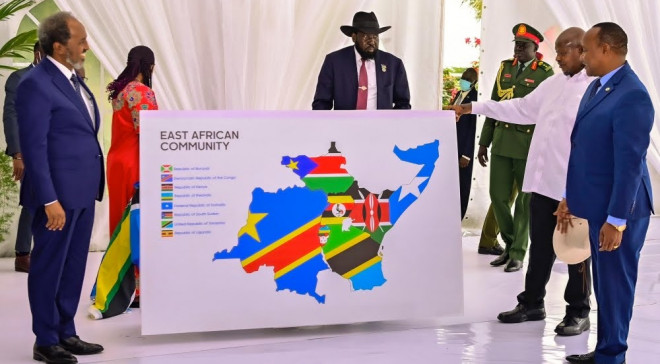
MOGADISHU — Somalia’s deepening political crisis is emerging as a new challenge for the East African Community (EAC), with the regional bloc facing growing pressure to help resolve an escalating dispute between the federal government and opposition leaders, according to a report by The EastAfrican newspaper.
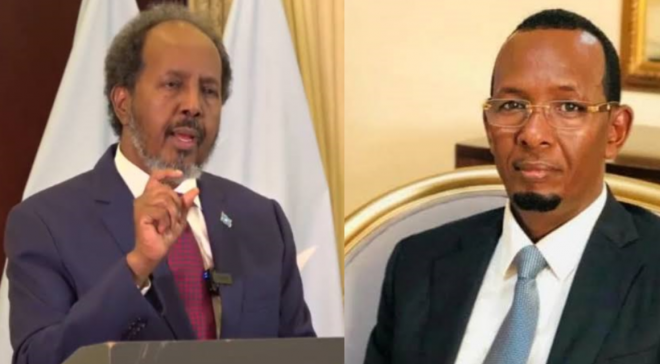
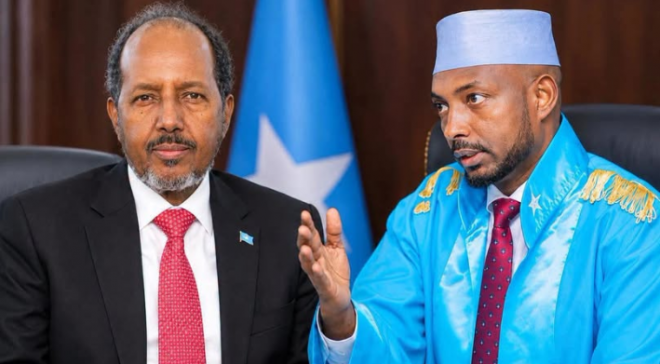
The dispute centres on constitutional amendments and the electoral process pursued by President Hassan Sheikh Mohamud’s administration, which opposition leaders, as well as the regional states of Puntland and Jubaland, have rejected.
The political standoff has increasingly strained relations between Mogadishu and federal member states, raising concerns about the country's political stability as disagreements over constitutional changes and the organisation of future elections continue.
According to The EastAfrican, the EAC has historically played a limited role in Somalia's political affairs compared with the African Union (AU) and the Intergovernmental Authority on Development (IGAD). However, the current crisis could provide the bloc with an opportunity to emerge as a regional mediator.
The newspaper highlighted Uganda's historical involvement in efforts to resolve Somalia's political disputes, particularly under President Yoweri Museveni, who played a role in reconciliation initiatives during the early 2000s.
Museveni was involved in the reconciliation talks held in Kenya between 2002 and 2004, as well as the 2011 Kampala Accord, which sought to resolve a political dispute between Somalia's transitional federal institutions.
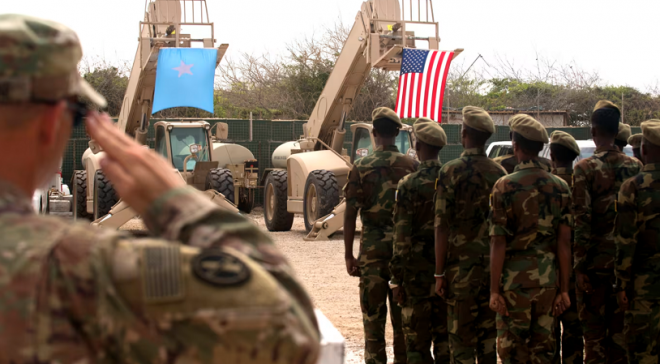
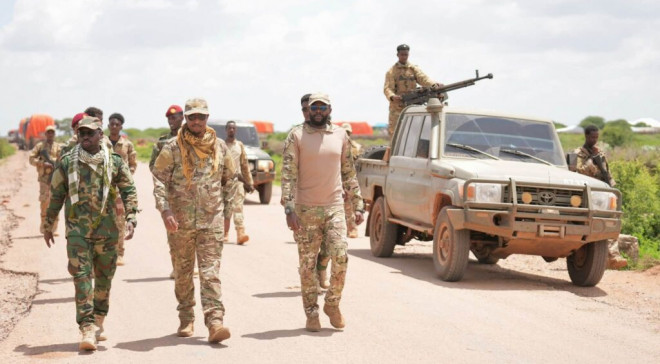
Uganda's current role in Somalia is also significant because of its military contribution to African Union-led security operations. However, concerns have emerged over Kampala's plans to reduce and eventually withdraw its troops from the country, a move that could have implications for Somalia's security arrangements and the wider AU mission.
Uganda has been among the largest troop contributors to international security operations in Somalia, providing military support in the fight against Al-Shabaab militants.
The newspaper also pointed to institutional challenges facing the EAC, including financial constraints, irregular meetings of regional leaders and competing national interests among member states.
These limitations could complicate efforts by the bloc to intervene effectively in Somalia's political crisis, particularly given the sensitivity of constitutional and electoral disagreements.
The dispute has intensified as opposition figures challenge the federal government's constitutional changes and its proposed electoral arrangements, arguing that major political decisions should be reached through broad consultation and consensus.
The government, meanwhile, has defended its reform agenda and its push towards a direct electoral system.
The EAC's potential involvement would come at a critical time for Somalia, where political divisions threaten to undermine cooperation between federal institutions and regional administrations.
The newspaper argued that the crisis could become an important test of the bloc's ability to mediate political disputes and exercise greater diplomatic influence in the Horn of Africa.
GAROWE ONLINE