Uganda Begins Withdrawal of Troops From Somalia After Nearly 20 Years
-
 Staff Reporter GAROWE ONLINE
- Posted On 30-10-2026, 02:16PM
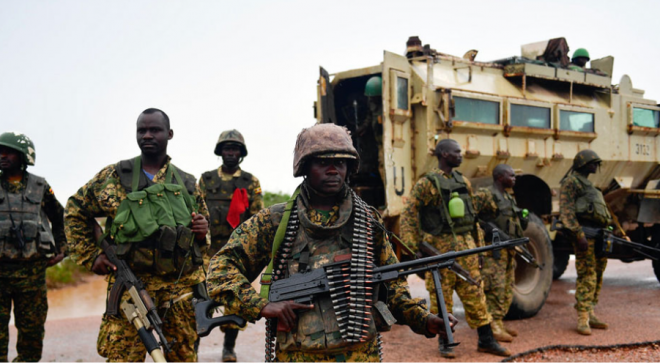
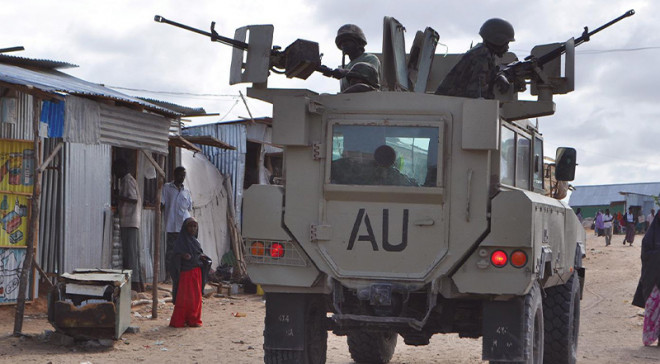
MOGADISHU, Somalia — Uganda has begun withdrawing its troops from Somalia after nearly two decades of military involvement, marking a significant development in the African Union's security mission as financial pressures and shifting international support raise questions about its future.
Uganda's Chief of Defence Forces, Gen. Muhoozi Kainerugaba, announced the start of the withdrawal Thursday, saying the country was handing over security responsibilities to Somali forces.
"As we promised, we have started withdrawing UPDF from Somalia. After 20 years of a lot of blood and sacrifice we are handing over security to our Somali brothers," Kainerugaba wrote on X on Oct. 29.
The announcement comes as the African Union Support and Stabilization Mission in Somalia, known as AUSSOM, faces growing financial and logistical challenges following changes in international funding arrangements.
According to Uganda's Daily Monitor, the withdrawal comes amid a 25% reduction in funding from the United Nations Support Office in Somalia and uncertainty over continued U.S. support for the mission.
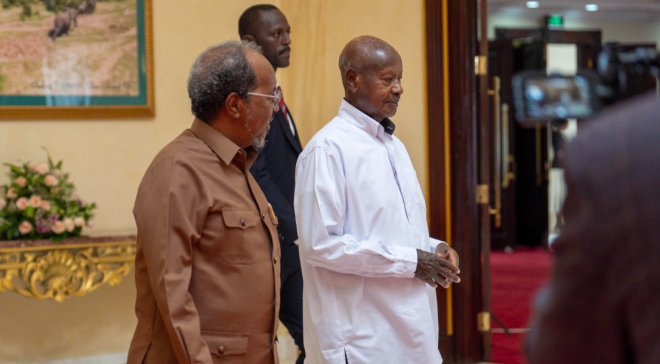
Ugandan President Yoweri Museveni had previously defended the deployment, saying Uganda's involvement was driven by regional security interests and solidarity with neighboring countries.
Speaking at a summit of troop-contributing countries in Kampala on July 31, Museveni said Somalia would not be abandoned even if international partners withdrew their support.
"If the international community wants to pull out, let them. ... Somalia will not be abandoned. We have the capacity," he said.
The financial difficulties have also raised concerns about the sustainability of AUSSOM, which relies heavily on international assistance for essential logistical support, including food, fuel, medical services and transportation.
The United States had indicated in July that it would not support renewing the mission's mandate at the United Nations Security Council in December. However, Washington later agreed to give the U.N. an additional 12 months to wind down its logistical support, with the drawdown expected to begin in January 2027.
Uganda was the first country to deploy troops to Somalia under the African Union Mission in Somalia (AMISOM) in 2007 and has maintained one of the largest military contingents in the country.
Over the years, Ugandan forces have fought alongside the Somali National Army in operations against al-Shabab, helping secure strategic towns and protect key government installations.
AMISOM was replaced by the African Union Transition Mission in Somalia (ATMIS) in 2022, which was subsequently succeeded by AUSSOM in 2025.
The current mission is tasked with supporting Somali security forces, protecting civilians and facilitating the gradual transfer of security responsibilities to national institutions.
The African Union has pledged to continue supporting Somalia despite the funding challenges. African Union Commission Chairperson Mahmoud Ali Youssouf said the bloc would mobilize political, diplomatic and financial assistance to support the country's security transition.
The beginning of Uganda's withdrawal raises questions about the future composition of the African Union force and Somalia's ability to assume greater responsibility for national security as international support undergoes significant changes.
GAROWE ONLINE