U.S. walks diplomatic tightrope on Somalia unity after Israel’s Somaliland move
-
 Staff Reporter GAROWE ONLINE
- Posted On 03-02-2026, 02:43PM
WASHINGTON — When Israel announced on 26 December that it would recognize Somaliland as an independent state, the decision sent diplomatic ripples across the Horn of Africa, reopening long-simmering questions over sovereignty, borders and international recognition.
This week, the United States moved quickly to clarify where it stands.
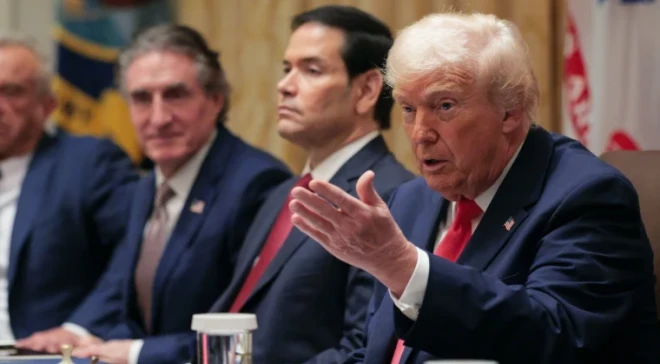
Washington reiterated on Monday that its policy on Somalia remains unchanged, emphasizing continued support for Somalia’s sovereignty, unity and territorial integrity — even as it maintains working ties with Somaliland on security and counterterrorism.
A spokesperson for the U.S. State Department told the BBC that the United States has a “good working relationship” with Somaliland, similar to its engagement with other regional administrations in Somalia, particularly in areas of shared security and economic interests. The spokesperson stressed that such cooperation does not amount to recognition or a shift in policy.
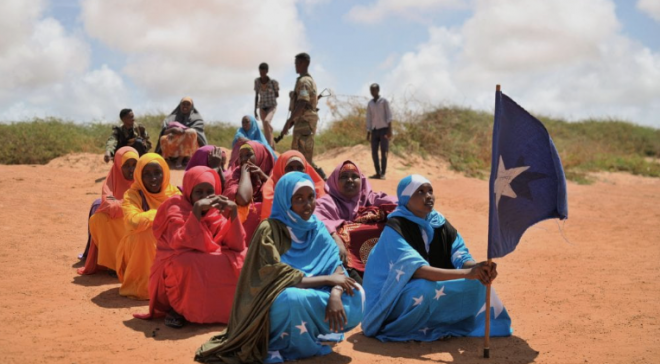
Israel’s recognition of Somaliland, a selIsrael’s recognition of Somaliland, a self-declared republic that has functioned separately from Somalia since 1991f-declared republic that has functioned separately from Somalia since 1991, marked a rare break from the international consensus that considers the territory part of Somalia. While Somaliland has built its own governing institutions, held elections and maintained relative stability for more than three decades, it has never secured formal international recognition.
Somalia’s federal government reacted swiftly, requesting an emergency meeting of the United Nations Security Council. At the session, 14 of the council’s 15 members rejected Israel’s decision and reaffirmed Somalia’s unity and sovereignty. The United States stopped short of directly condemning Israel’s move, but underscored that its own stance on Somaliland had not changed.
Regional and international organizations echoed that position. The European Union, African Union, Arab League and the Intergovernmental Authority on Development all opposed Israel’s recognition, warning that it could undermine regional stability and Somalia’s fragile state-building efforts. Several major powers also voiced concern, despite Israel standing by its decision.
For Somalia, the issue touches a sensitive nerve. The country has spent years rebuilding institutions after decades of conflict and continues to seek international support to strengthen security and governance. Any move perceived as weakening territorial unity is viewed in Mogadishu as a direct threat to that progress.
At the same time, Somaliland’s leaders argue that decades of self-rule, security and democratic processes justify international recognition — a claim that has long divided opinion among diplomats and analysts.
Caught between these competing realities, the United States appears intent on walking a diplomatic tightrope: engaging Somaliland pragmatically on security while reaffirming, at least publicly, its commitment to a united Somali state.
Garowe Online