Jigjiga: A City Transformed in Seven Years
-
 Asad Mohamed CEO of one the largest Somali energy company in East Africa
- Posted On 16-10-2026, 06:59AM
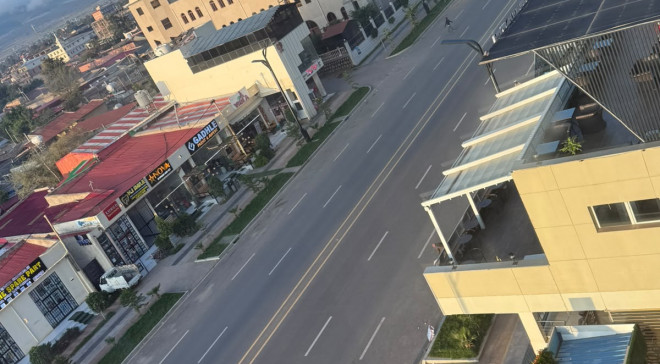
The last time I visited Jigjiga, the capital of Ethiopia’s Somali Regional State, was in 2019. Yesterday, seven years later, I returned to a city I could barely recognize.
The transformation is striking.
Driving through the city centre, I was astonished by how dramatically the urban landscape had changed. Wide, well-paved roads, some with three lanes in each direction, modern street lighting, cleaner public spaces, and an expanding skyline have given parts of Jigjiga the appearance of a rapidly developing modern city.
Construction cranes are visible across the city. Here, a new shopping mall is taking shape. There, a modern hotel is rising. Restaurants, commercial buildings, and new businesses are appearing throughout the city, reflecting a growing atmosphere of investment, commercial activity, and urban ambition.
These changes are not merely cosmetic. They are supported by substantial public infrastructure investment.
In February 2025, the Ethiopian federal government, under Prime Minister Abiy Ahmed, together with the Somali Regional State administration led by President Mustafa Mohamed Omar, announced a 30-kilometre urban corridor development programme in Jigjiga, with an initial phase covering 10 kilometres. According to government figures, the programme had already generated up to 12,500 employment opportunities.
In May 2026, the city inaugurated another major infrastructure project: a 7.3-kilometre bypass road, 30 metres wide, constructed at a reported cost equivalent to approximately US$4.5 million. The road was designed to ease traffic congestion and improve commercial transport connections.
These are tangible investments in a city whose infrastructure was considerably more limited when I last visited.
Yet what impressed me most was not simply the physical transformation. It was the atmosphere of the city itself.
Jigjiga feels lively, bustling, and increasingly confident. Its streets are filled with commercial activity, while its public spaces appear cleaner, more orderly, and more welcoming.
Perhaps most striking was the sense of security I experienced. People were moving freely, including women walking through the city in the evening.
In a region with a difficult political history, such ordinary scenes carry extraordinary significance.
Much of this transformation has taken place during the administration of Mustafa Mohamed Omar, who became president of the Somali Regional State in August 2018.
His administration has overseen significant changes in urban infrastructure and public administration. The contrast between the Jigjiga I remember in 2019 and the city I encountered yesterday could hardly be greater.
But Jigjiga’s transformation must also be understood within the broader changes Ethiopia has experienced since Prime Minister Abiy Ahmed came to power in April 2018.
Having arrived in Addis Ababa before travelling to Jigjiga, I was equally struck by the capital’s changing appearance. Major roads, modern infrastructure, and ambitious urban development projects have transformed significant parts of the city.
The physical changes in both Addis Ababa and Jigjiga reflect a broader ambition to modernize Ethiopia’s urban infrastructure.
What makes the Somali Region’s transformation particularly significant, however, is that it extends beyond physical development.
Alongside substantial urban modernization, the region has undergone important changes in its political and social environment, including developments affecting civil liberties, freedom of expression, and personal security.
Author: Asad Mohamed, CEO of one the largest Somali energy company in East Africa